Modely
Celkem 294 produktů
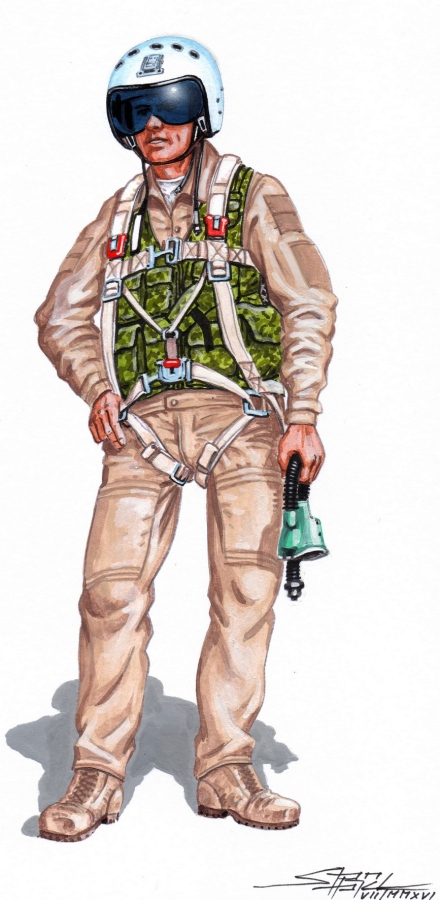
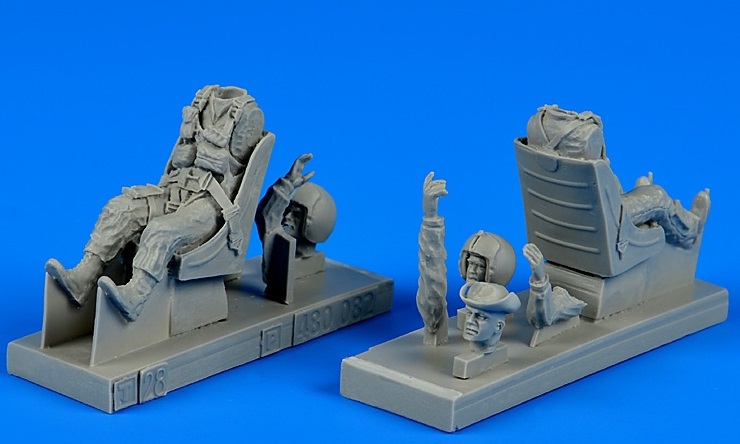
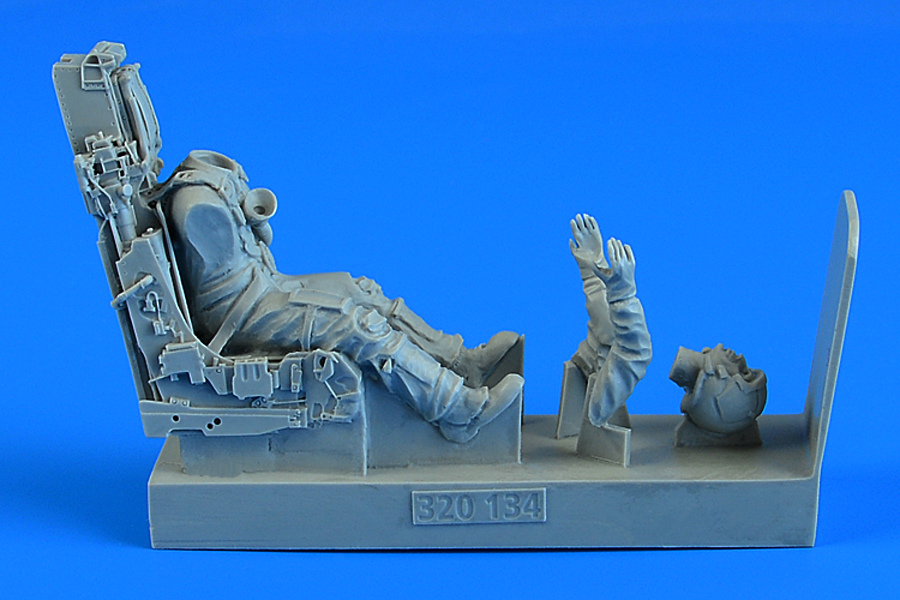
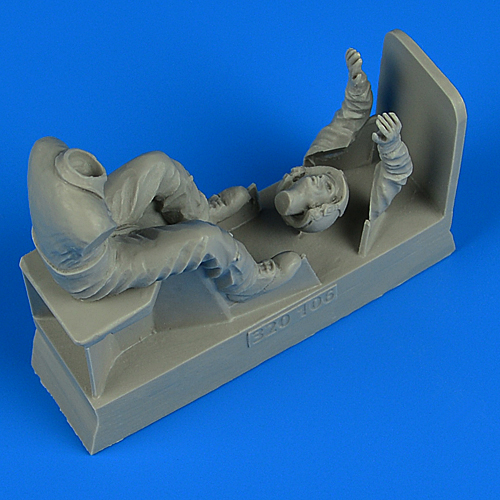
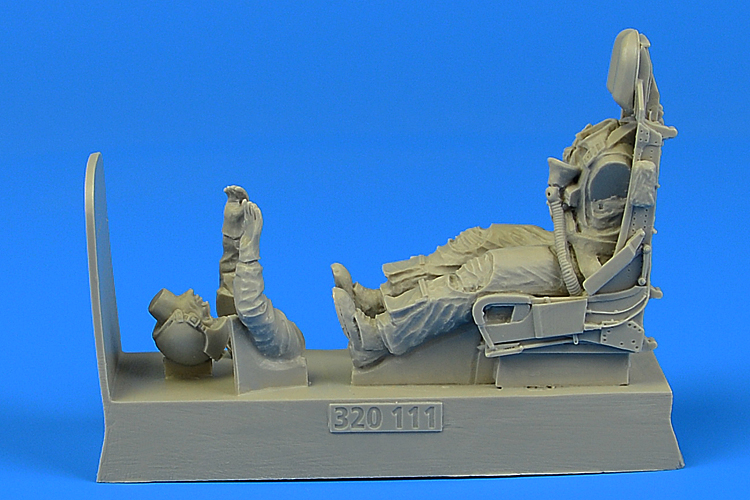
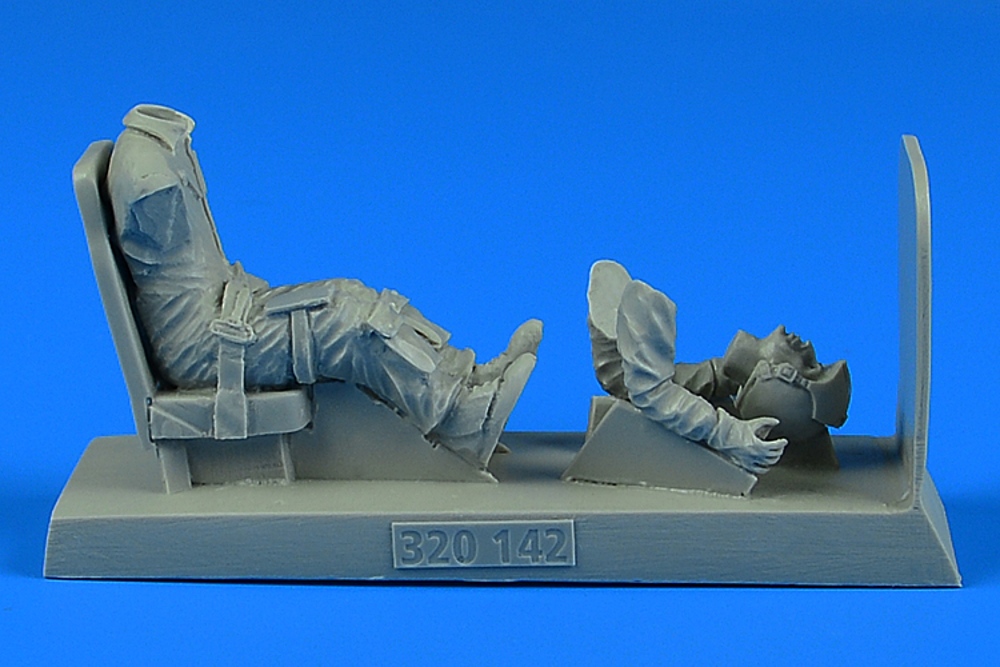
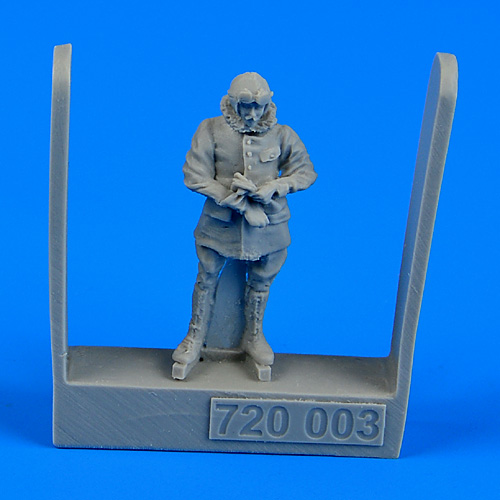
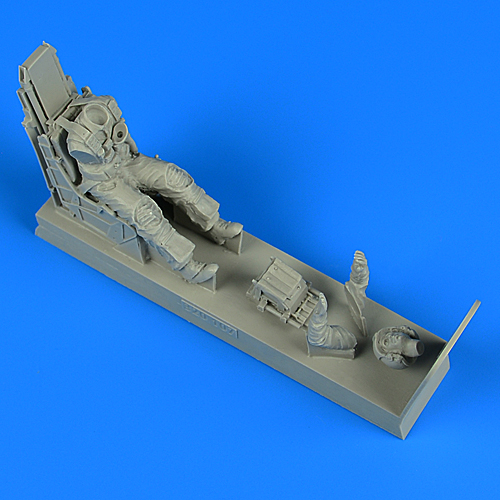
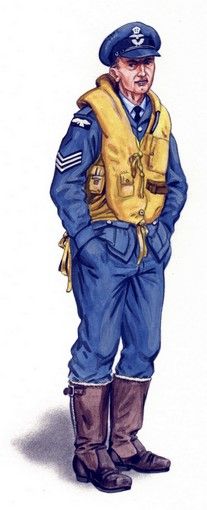
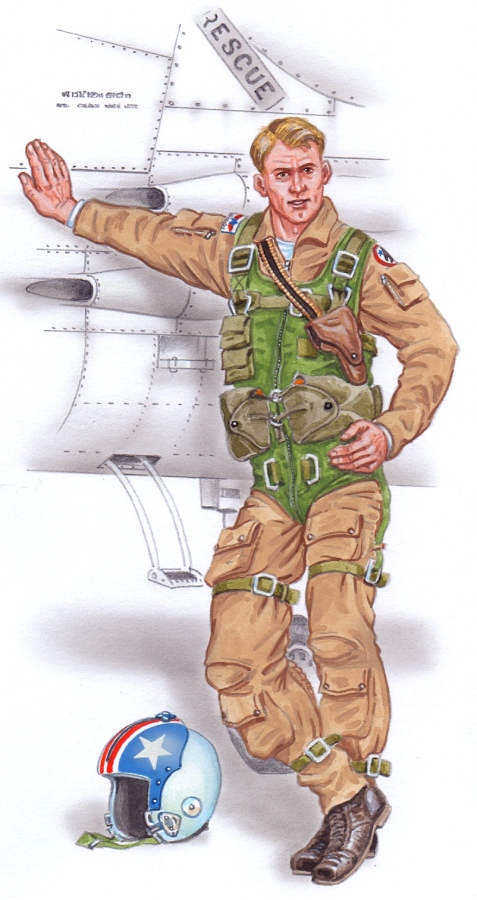
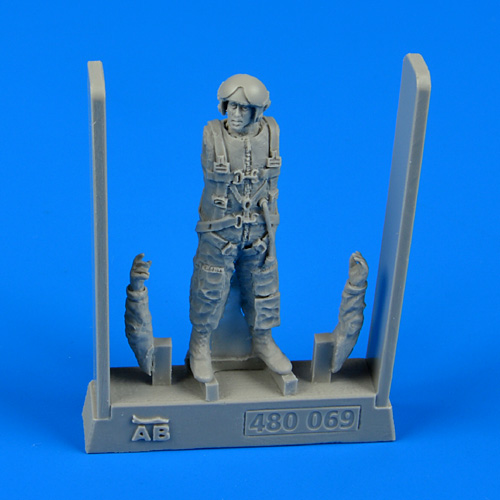
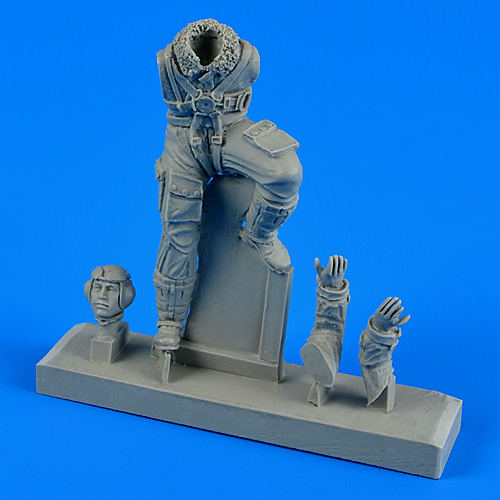
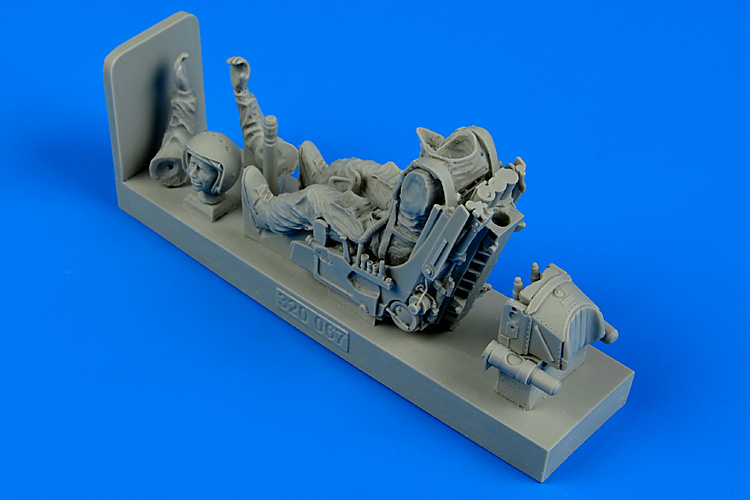
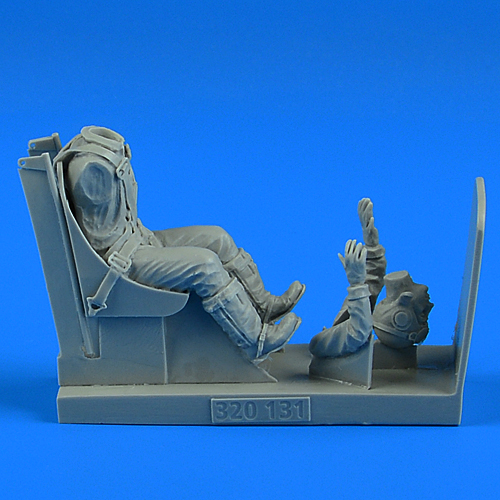
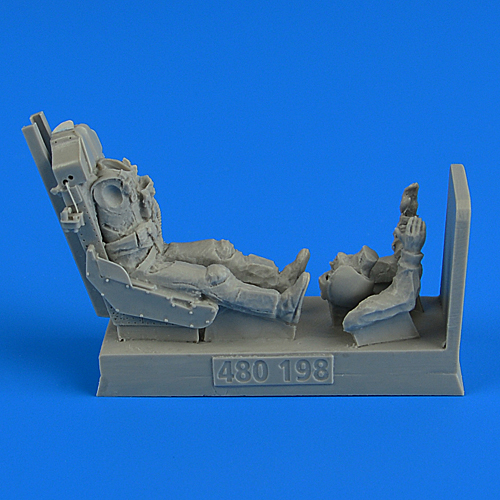
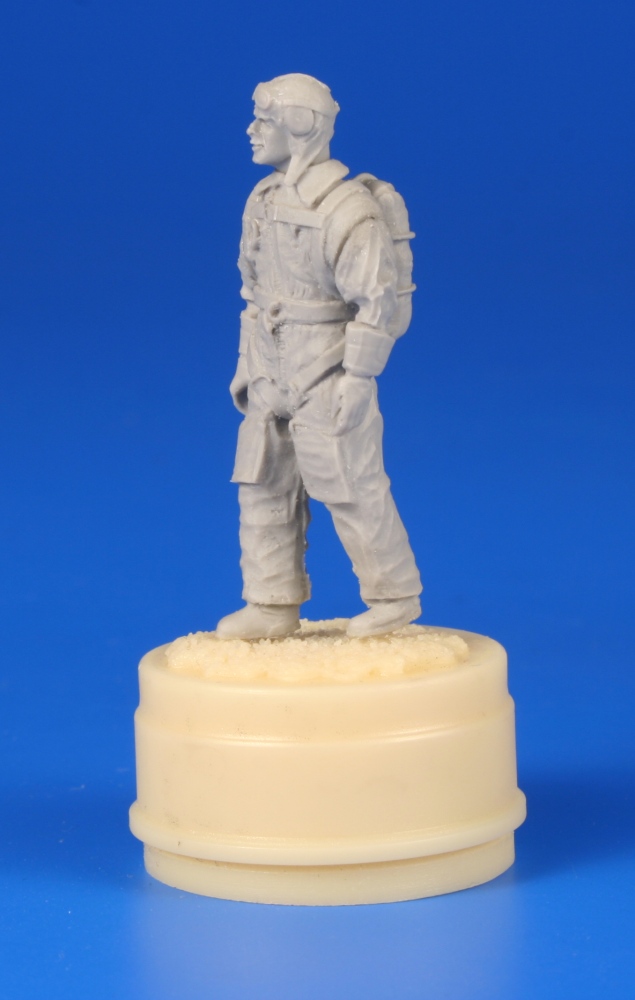
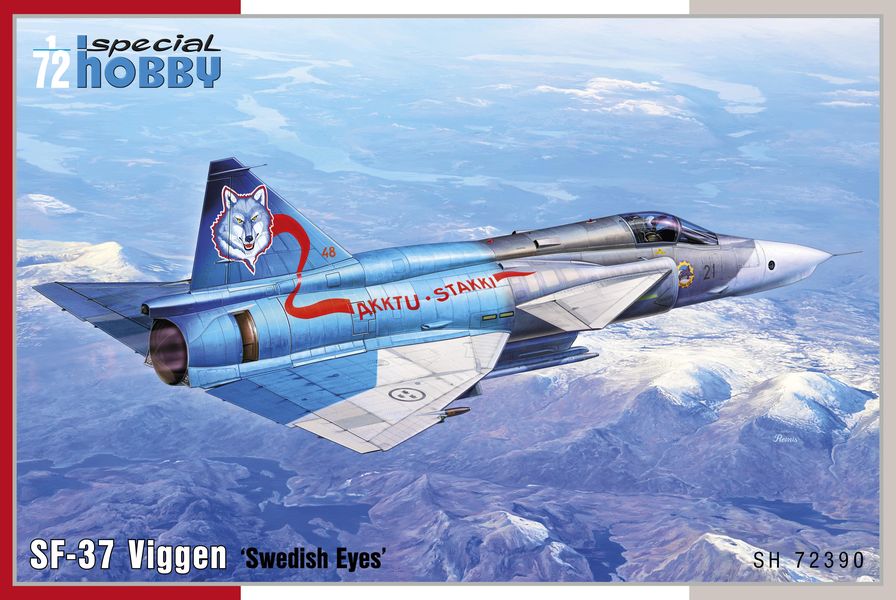
Plastikový model letadla 1/72 SF-37 Viggen ‘Swedish Eyes’. Reconnaissance version of the Viggen aeroplane, can be distinguished from all the others by having a different-shaped nose section carrying photographic cameras instead of radar equipment. superbly detailed and really accurate model decals for three machines including the anniversary airframe with a painting of the lone wolf on its tail wide range of detail resin sets, pilot figures and pre-cut canopy masks available too
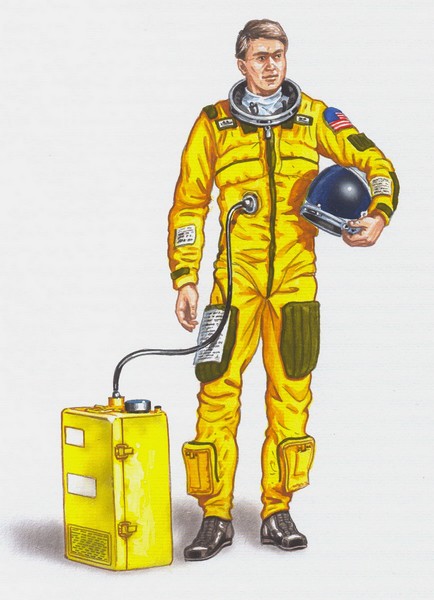
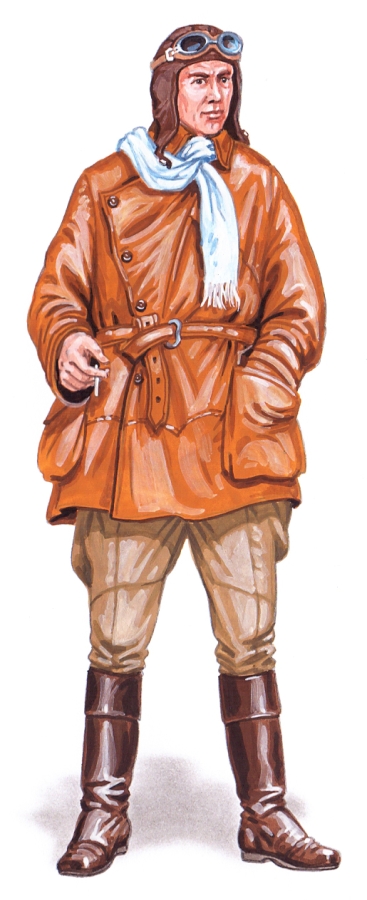
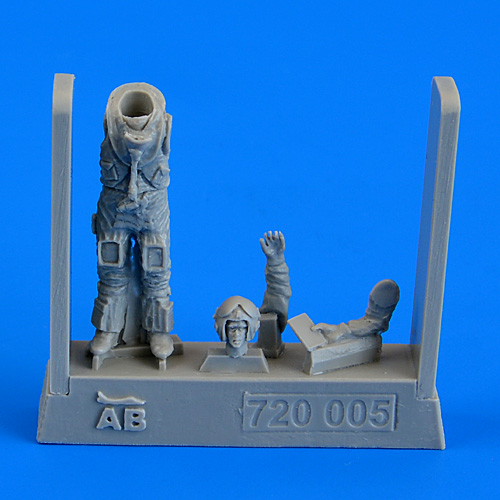

1/72 BHU-6B / UF-2 "Albatross" (Japan Maritime Self-Defense Force). The Beriev Be-8 (USAF/DoD reporting name “Type 33”, NATO reporting name “Mole”), was built by the Soviet Beriev OKB in 1947. It was a passenger/liaison amphibian aircraft with a layout similar to the Be-4 but substantially larger and heavier. It was a single engine parasol with the wing installed on a thin pylon and a pair of short struts. Compared to the Be-4, the Be-8 was equipped with retractable landing gear, and pilot and passenger cabins had heating utilizing engine heat. The Be-8 was intended as a civil aircraft and carried no armament. First flight was on December 3, demonstrating good performance. Two experimental aircraft were built, and one was demonstrated during 1951 Soviet Aviation Day at Tushino.One of Be-8 was equipped with hydrofoils, developed at TsAGI. These “Underwater Wings” were installed on landing gear struts and pushed aircraft above the water well before it could be done by the wing lift force. As a result, takeoff was much easier and imposed less punishment on the hull from the waves. Despite very effective during takeoff hydrofoils had negative impact on flight speed. Construction of retractable hydrofoils was not ready, and the concept did not find practical applications.
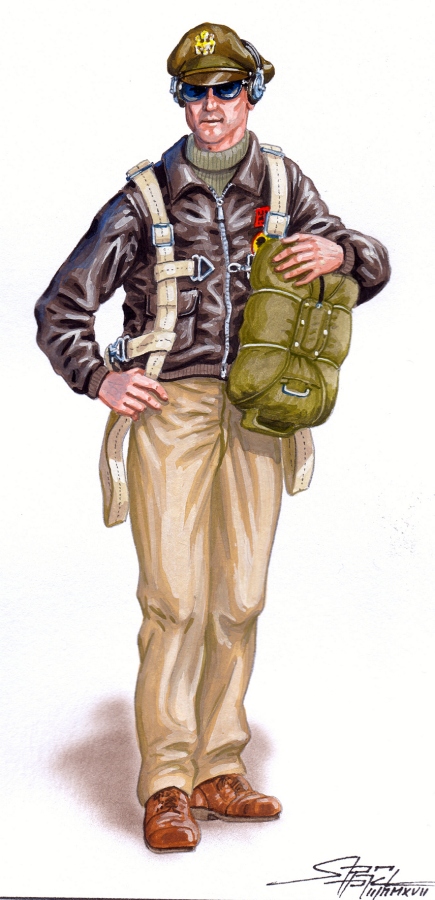
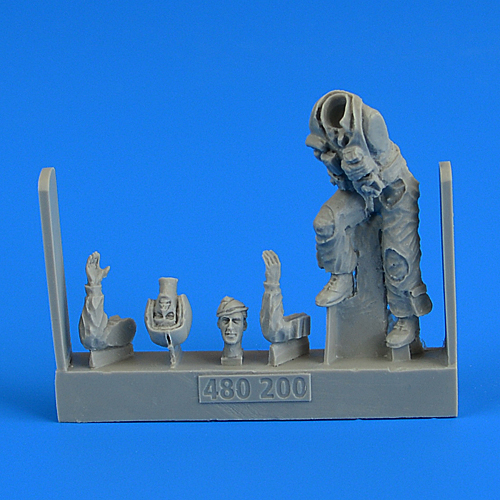
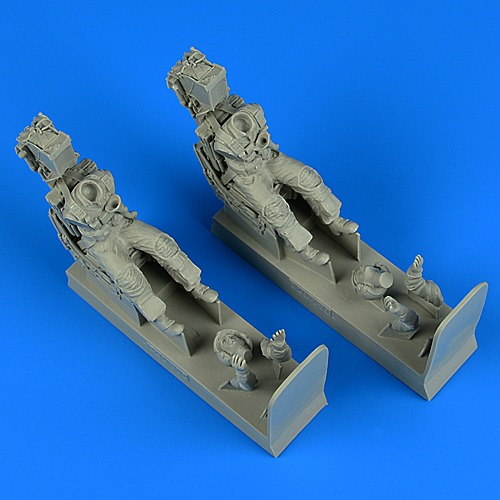

1/72 Hurricane Mk I Allied Squadrons Limited Edition. Stíhací model Hurricane Mk I v barvách spojeneckých eskader v RAF. Sada obsahuje: Plastové díly Obtisk pro čtyři varianty (národní insignie a šablony pro dvě stavebnice) Masky pro kabinu, která má být vystřižena z maskovací pásky Barevné varianty: 2 x polské letectvo, 1 x české a 1 x američtí dobrovolníci: Hurricane Mk.I V7118 / UZ-V, 306 Squadron PAF. Tern Hill, březen 1941. Hurricane Mk.I V6941 / WX-W, 302 Squadron PAF. Northolt, říjen 1940. Hurikán Mk.I P3707 / NN-A, 310 (československá) letka RAF. Duxford, říjen 1940. Hurricane Mk.I XR-S, 71 Eagle Squadron RAF. Sériově přetíráno, pravděpodobně P3664. Kirton-in-Lindsey, březen 1941. Pilot F / O Stanley Michel "Mike" Kolendorski.
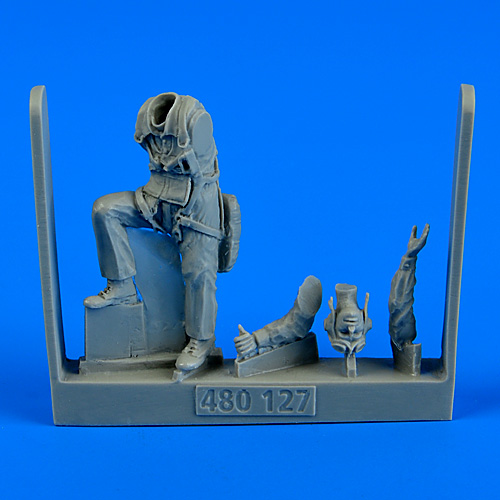
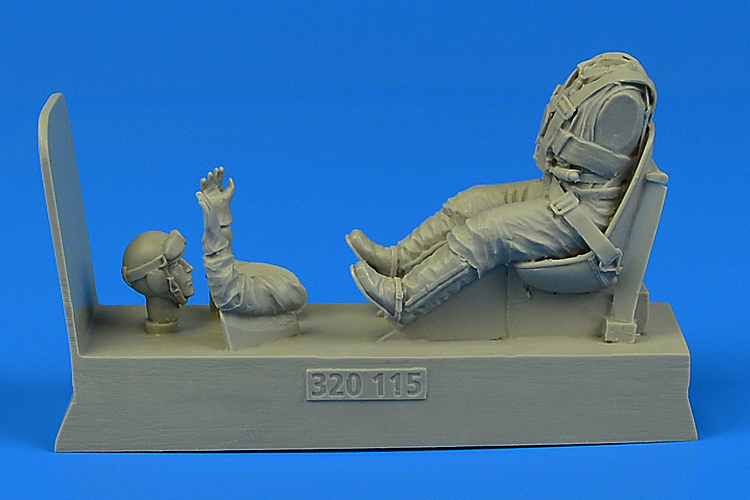
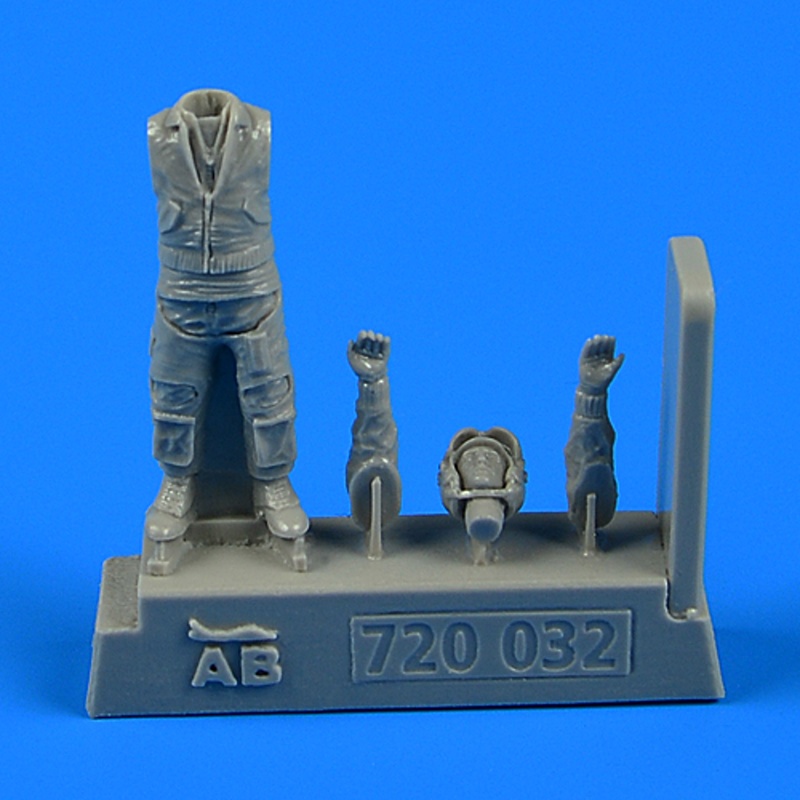
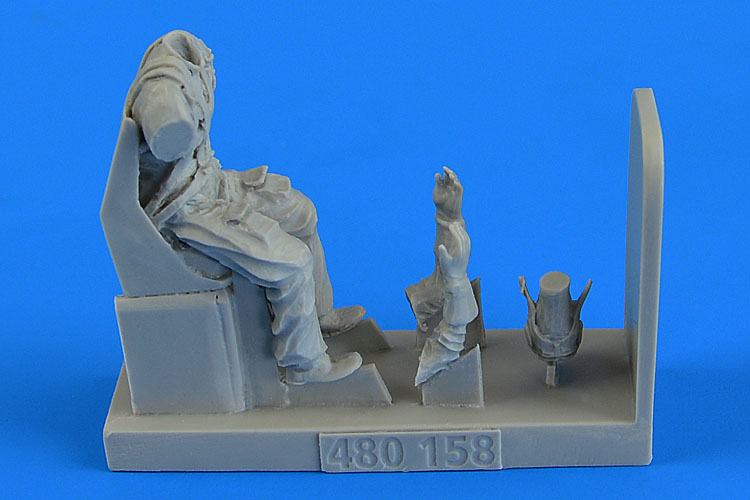
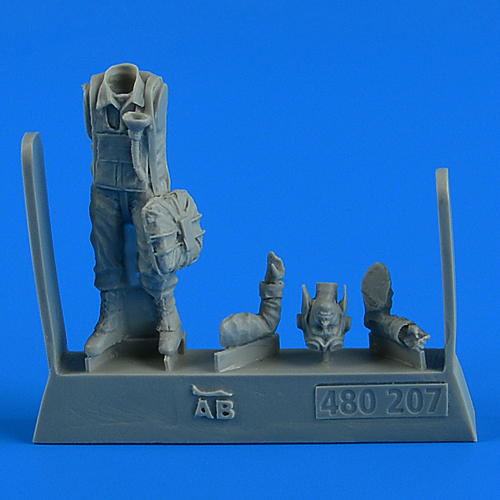
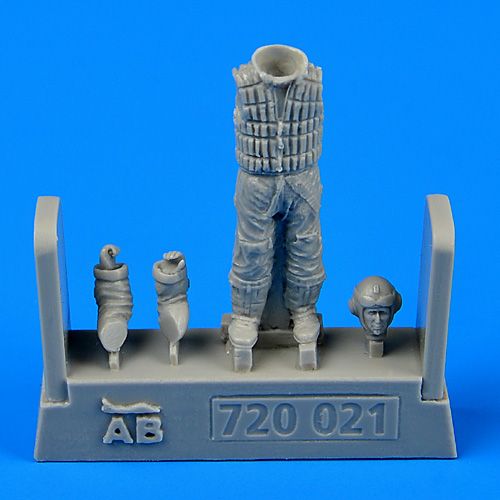
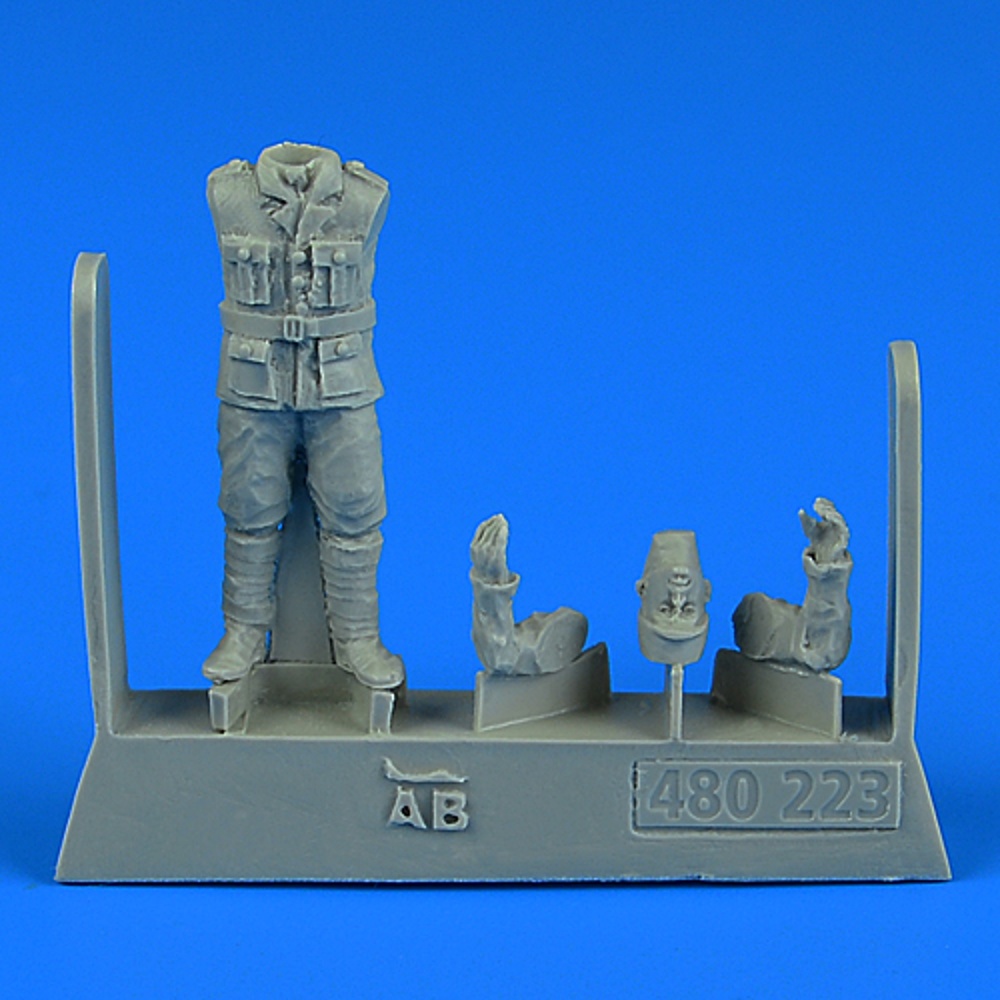
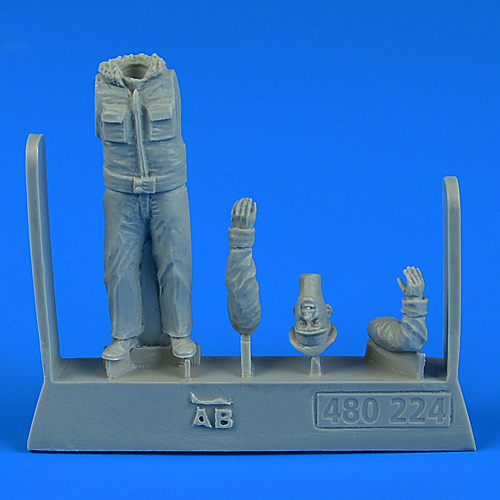
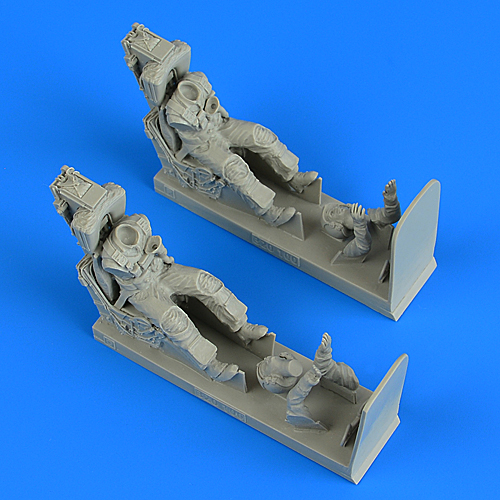
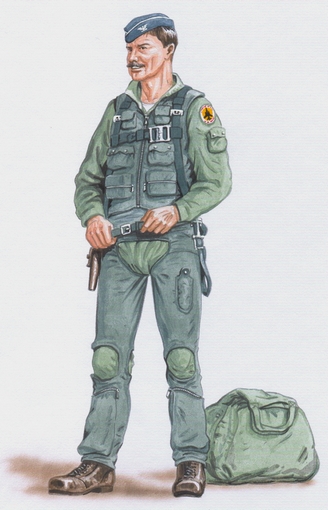

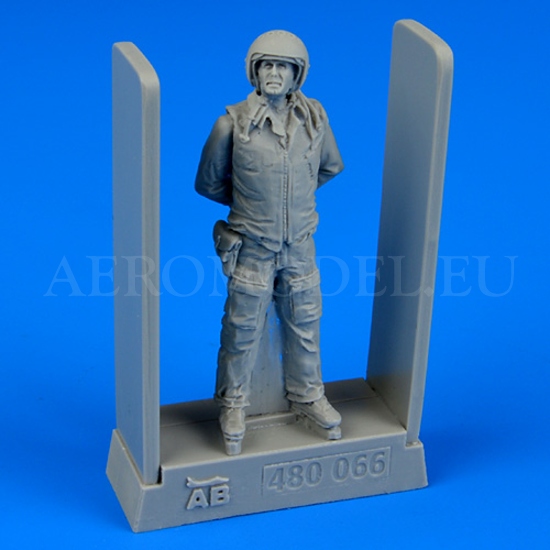
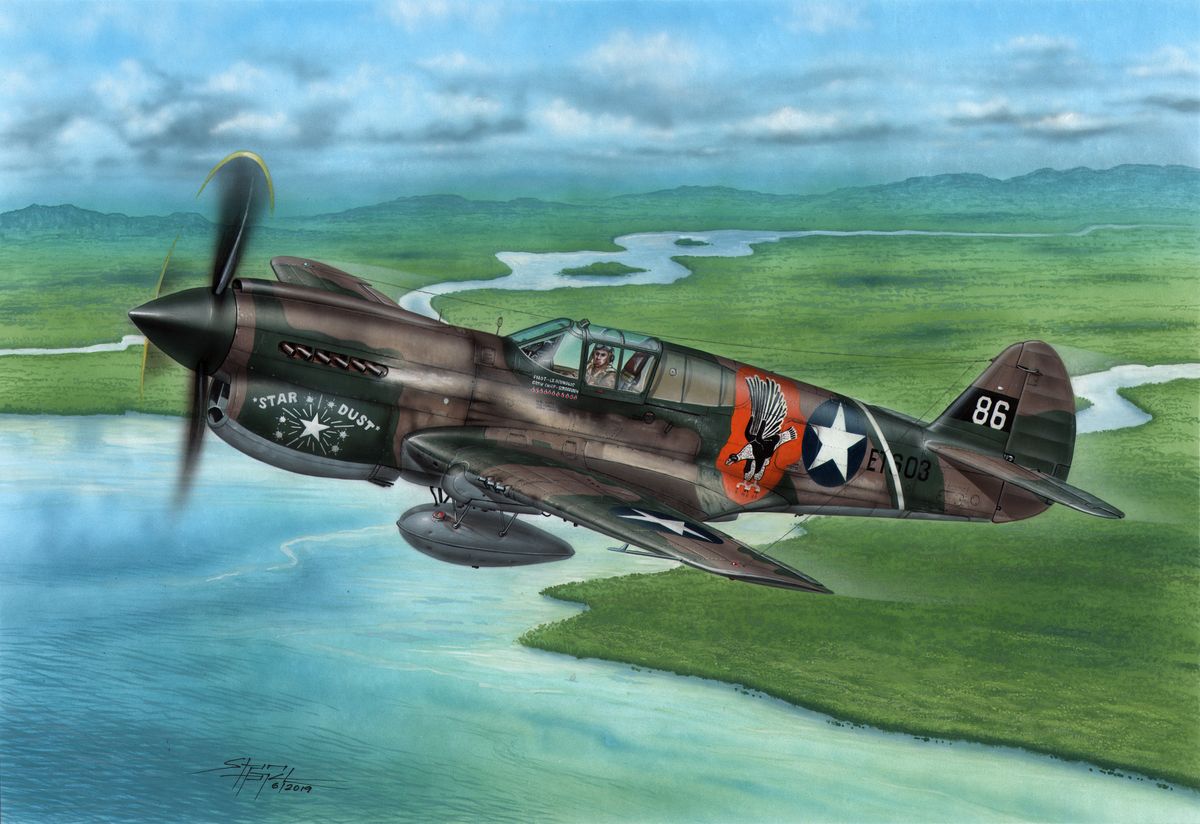
Plastikový model letadla 1/7 2P-40E Warhawk 'Claws and Teeth' . The very icon of US WW2 aviation, the Warhawk model E. The kit contains – two grey styrene sprues, one sprue of clear plastic, full colour instruction booklet and decal sheet with markings for four really eye-catching liveries. Higly accurate and nicely detailed model, the best of Warhawks in this scale Easy assembly Incredible price Decals printed by Cartograf cater for two machines as flown from China-based airfields and another two operated from Australia, all of them wearing highly interesting markings and colours, with remarkable operation history and flown by USAAF ace pilots. Three of the hand picked machines wear viciously-looking shark jaws, the fourth one (depicted on the kit’s box) was adorned with a large bird of prey on its rear fuselage and distinctive motifs on either side of its nose Wide range of CMK accessories available, including pilot/mechanic figures. Country of origin: USA / WWII

1/72 KDA-2 type 88-1 scout. The Beriev Be-8 (USAF/DoD reporting name “Type 33”, NATO reporting name “Mole”), was built by the Soviet Beriev OKB in 1947. It was a passenger/liaison amphibian aircraft with a layout similar to the Be-4 but substantially larger and heavier. It was a single engine parasol with the wing installed on a thin pylon and a pair of short struts. Compared to the Be-4, the Be-8 was equipped with retractable landing gear, and pilot and passenger cabins had heating utilizing engine heat. The Be-8 was intended as a civil aircraft and carried no armament. First flight was on December 3, demonstrating good performance. Two experimental aircraft were built, and one was demonstrated during 1951 Soviet Aviation Day at Tushino.One of Be-8 was equipped with hydrofoils, developed at TsAGI. These “Underwater Wings” were installed on landing gear struts and pushed aircraft above the water well before it could be done by the wing lift force. As a result, takeoff was much easier and imposed less punishment on the hull from the waves. Despite very effective during takeoff hydrofoils had negative impact on flight speed. Construction of retractable hydrofoils was not ready, and the concept did not find practical applications.

1/72 KDA-2 type 88-2 scout. The Beriev Be-8 (USAF/DoD reporting name “Type 33”, NATO reporting name “Mole”), was built by the Soviet Beriev OKB in 1947. It was a passenger/liaison amphibian aircraft with a layout similar to the Be-4 but substantially larger and heavier. It was a single engine parasol with the wing installed on a thin pylon and a pair of short struts. Compared to the Be-4, the Be-8 was equipped with retractable landing gear, and pilot and passenger cabins had heating utilizing engine heat. The Be-8 was intended as a civil aircraft and carried no armament. First flight was on December 3, demonstrating good performance. Two experimental aircraft were built, and one was demonstrated during 1951 Soviet Aviation Day at Tushino.One of Be-8 was equipped with hydrofoils, developed at TsAGI. These “Underwater Wings” were installed on landing gear struts and pushed aircraft above the water well before it could be done by the wing lift force. As a result, takeoff was much easier and imposed less punishment on the hull from the waves. Despite very effective during takeoff hydrofoils had negative impact on flight speed. Construction of retractable hydrofoils was not ready, and the concept did not find practical applications.

1/72 KDA-2 type 88 light bomber. The Beriev Be-8 (USAF/DoD reporting name “Type 33”, NATO reporting name “Mole”), was built by the Soviet Beriev OKB in 1947. It was a passenger/liaison amphibian aircraft with a layout similar to the Be-4 but substantially larger and heavier. It was a single engine parasol with the wing installed on a thin pylon and a pair of short struts. Compared to the Be-4, the Be-8 was equipped with retractable landing gear, and pilot and passenger cabins had heating utilizing engine heat. The Be-8 was intended as a civil aircraft and carried no armament. First flight was on December 3, demonstrating good performance. Two experimental aircraft were built, and one was demonstrated during 1951 Soviet Aviation Day at Tushino.One of Be-8 was equipped with hydrofoils, developed at TsAGI. These “Underwater Wings” were installed on landing gear struts and pushed aircraft above the water well before it could be done by the wing lift force. As a result, takeoff was much easier and imposed less punishment on the hull from the waves. Despite very effective during takeoff hydrofoils had negative impact on flight speed. Construction of retractable hydrofoils was not ready, and the concept did not find practical applications.