Dětské zboží
Celkem 531 produktů


Plastikový model letadla 1/72 XP-79 Flying Ram 3 decal v. for USA. Northrop XP-79 Flying Ram byl ambiciózní americký projekt stíhacího samokřídla, s proudovým pohonem, vyvíjený firmou Northrop. Typ měl ničit nepřátelské letouny taranem a obsahoval několik novátorských konstrukčních řešení. Pilot letoun řídil v pozici vleže na břiše a tak měl lépe snášet vysoká přetížení během bojových manévrů. 3 obtiskové varianty: 1. XP-79B Flying Ram, prototype, Muroc dry lake, September 1945 2. XP-79B Flying Ram, RE Farnborough, 1946 (alternate marking) 3. XP-79B Flying Ram, USA Home defence, Alaska 1946 (alternate marking) Skořepinová konstrukce byla namísto z hliníku vytvořena z lehčího hořčíku (magnézia). Jack Northrop v roce 1942 navrhl projekt XP-79 jako vysoce výkonné stíhací samokřídlo s raketovým pohonem, které mělo dosáhnout až rychlosti zvuku. Koncepce byla podobná německému Messerschmittu Me 163. V lednu 1943 USAAF objednalo stavbu tří prototypů. Pro otestování aerodynamické koncepce byly vyrobeny tři kluzáky. První s označením MX-324 poprvé vzlétl 5. července 1944 ve vleku za letounem Lockheed P-38 Lightning. MX-324 při letu použil raketové motory a stal se prvním americkým letounem, který letěl na raketový pohon.

1/72 Hurricane Mk I Allied Squadrons Limited Edition. Stíhací model Hurricane Mk I v barvách spojeneckých eskader v RAF. Sada obsahuje: Plastové díly Obtisk pro čtyři varianty (národní insignie a šablony pro dvě stavebnice) Masky pro kabinu, která má být vystřižena z maskovací pásky Barevné varianty: 2 x polské letectvo, 1 x české a 1 x američtí dobrovolníci: Hurricane Mk.I V7118 / UZ-V, 306 Squadron PAF. Tern Hill, březen 1941. Hurricane Mk.I V6941 / WX-W, 302 Squadron PAF. Northolt, říjen 1940. Hurikán Mk.I P3707 / NN-A, 310 (československá) letka RAF. Duxford, říjen 1940. Hurricane Mk.I XR-S, 71 Eagle Squadron RAF. Sériově přetíráno, pravděpodobně P3664. Kirton-in-Lindsey, březen 1941. Pilot F / O Stanley Michel "Mike" Kolendorski.
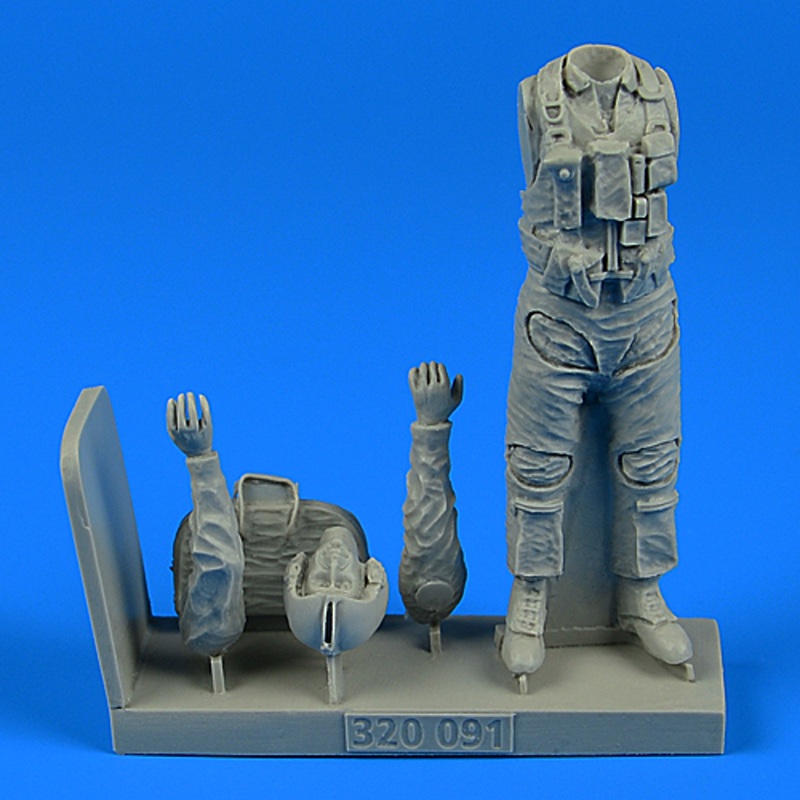
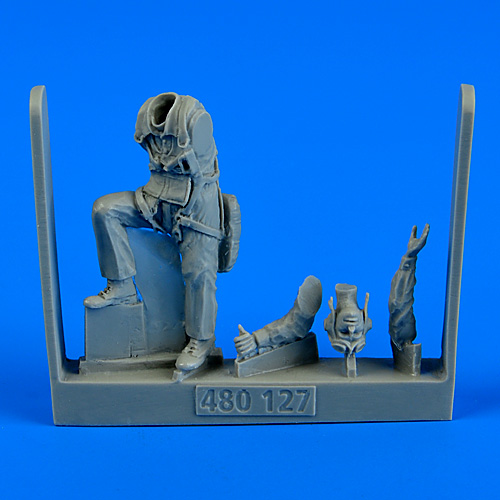
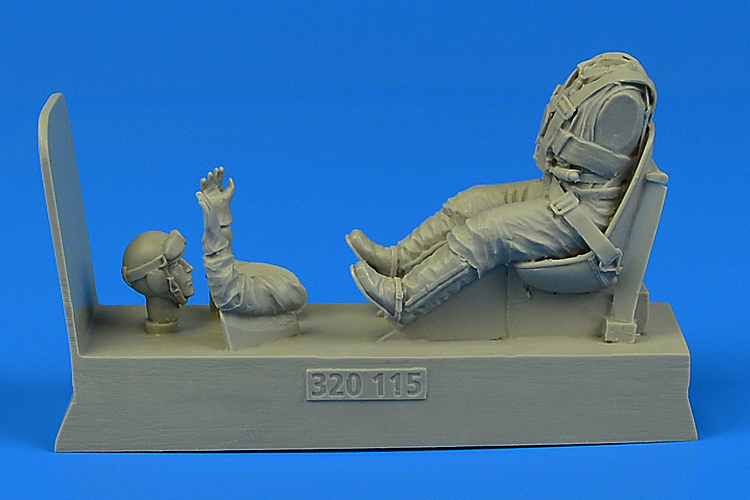
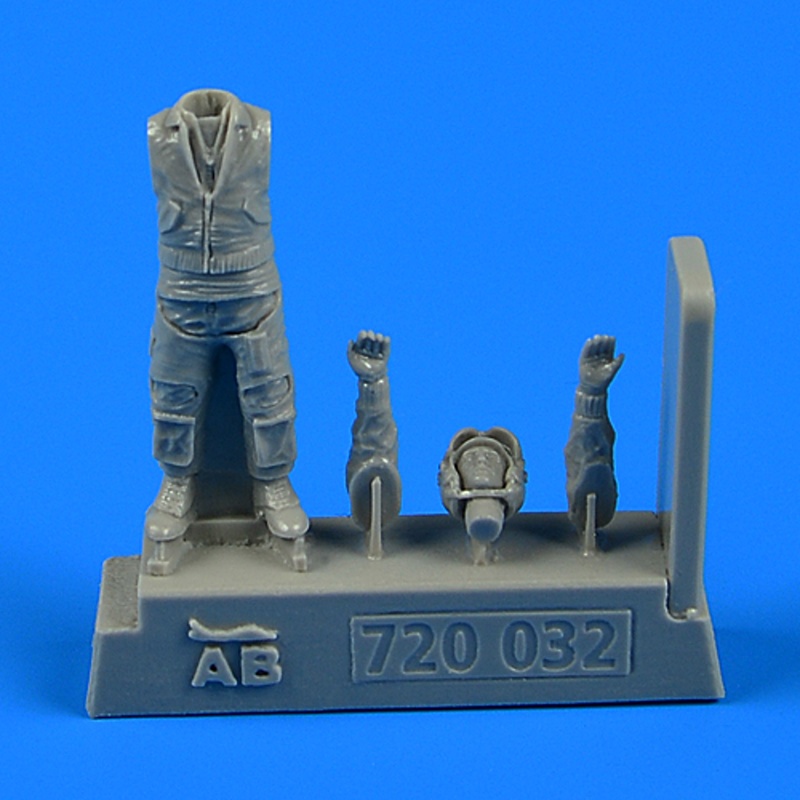
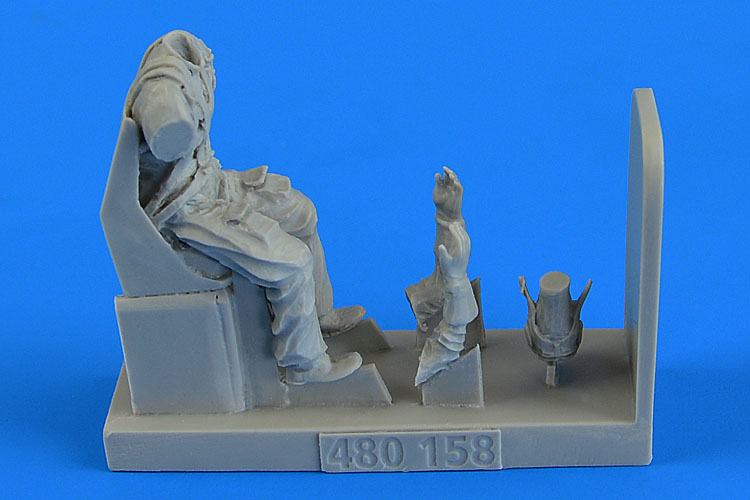
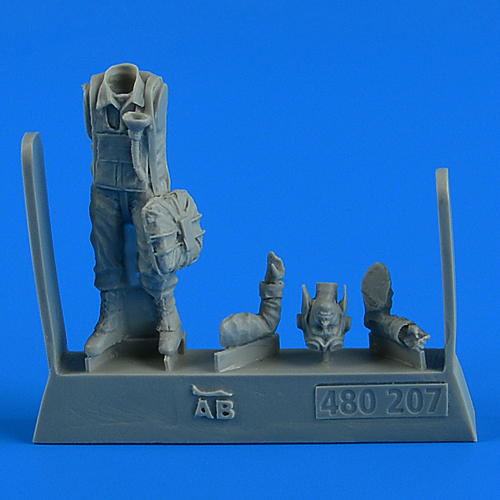
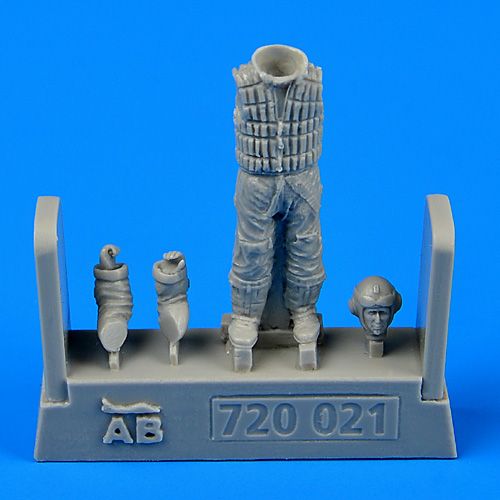
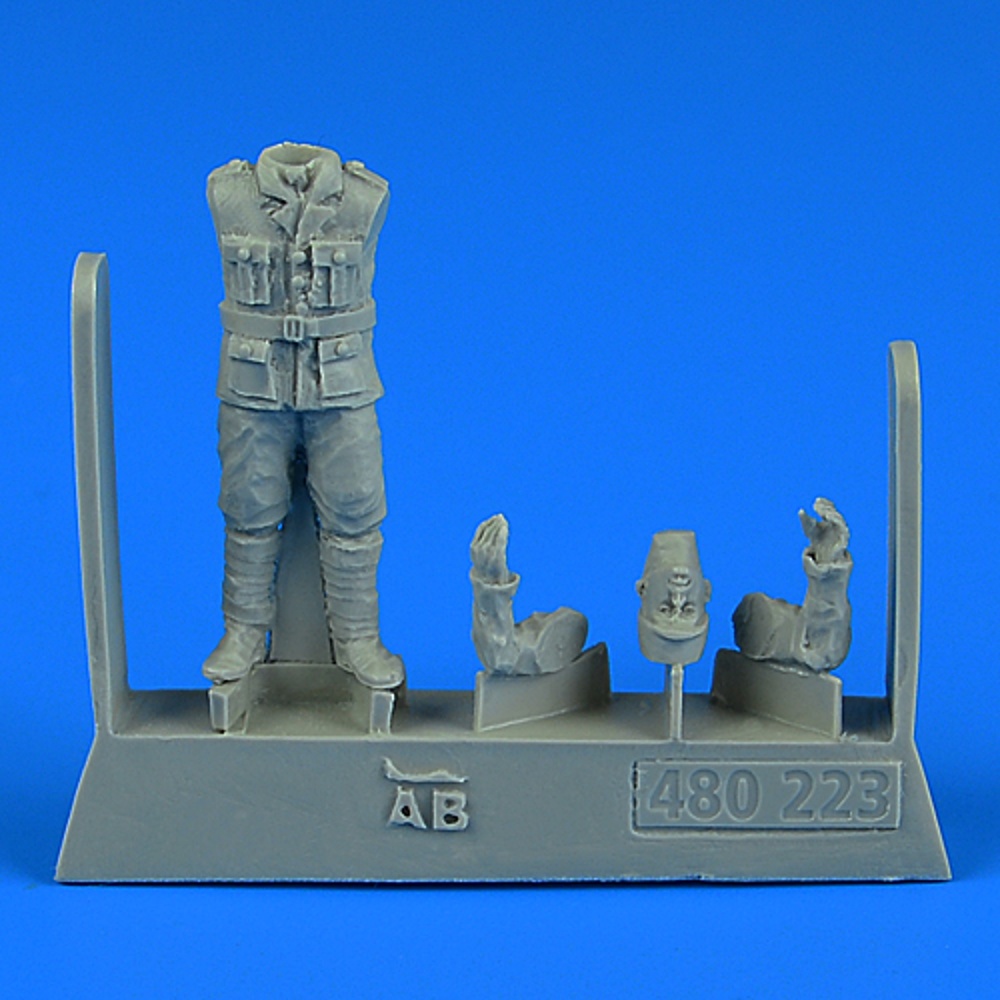
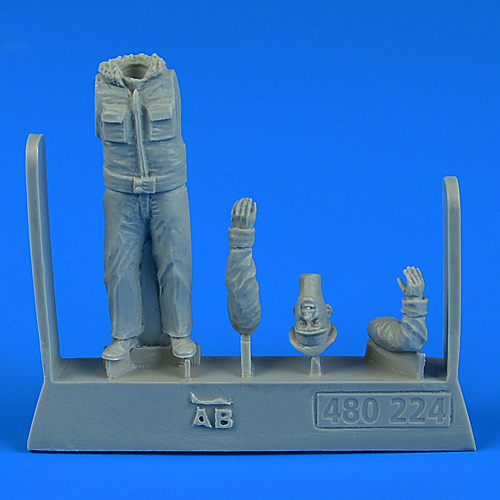
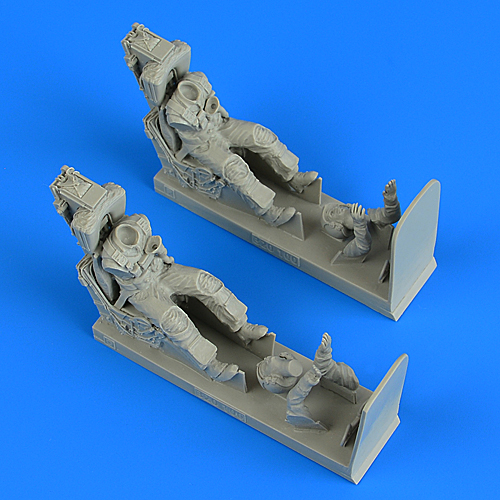
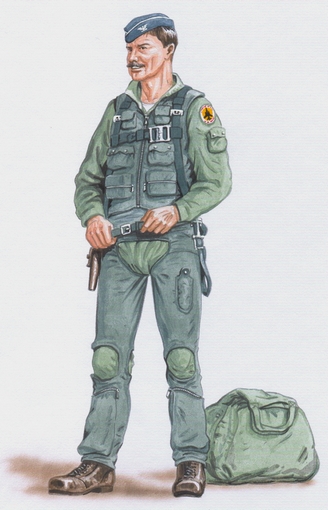

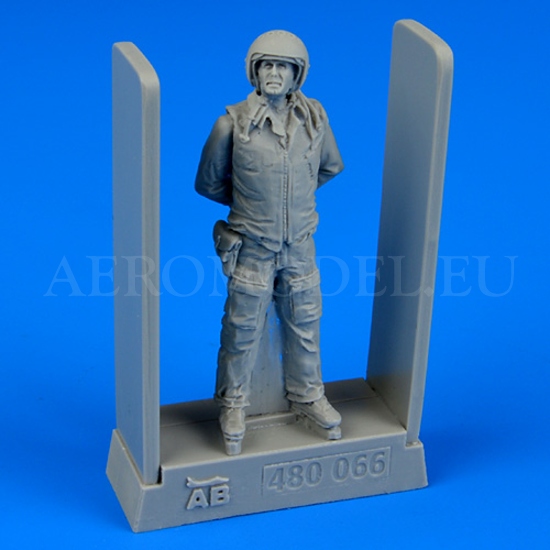
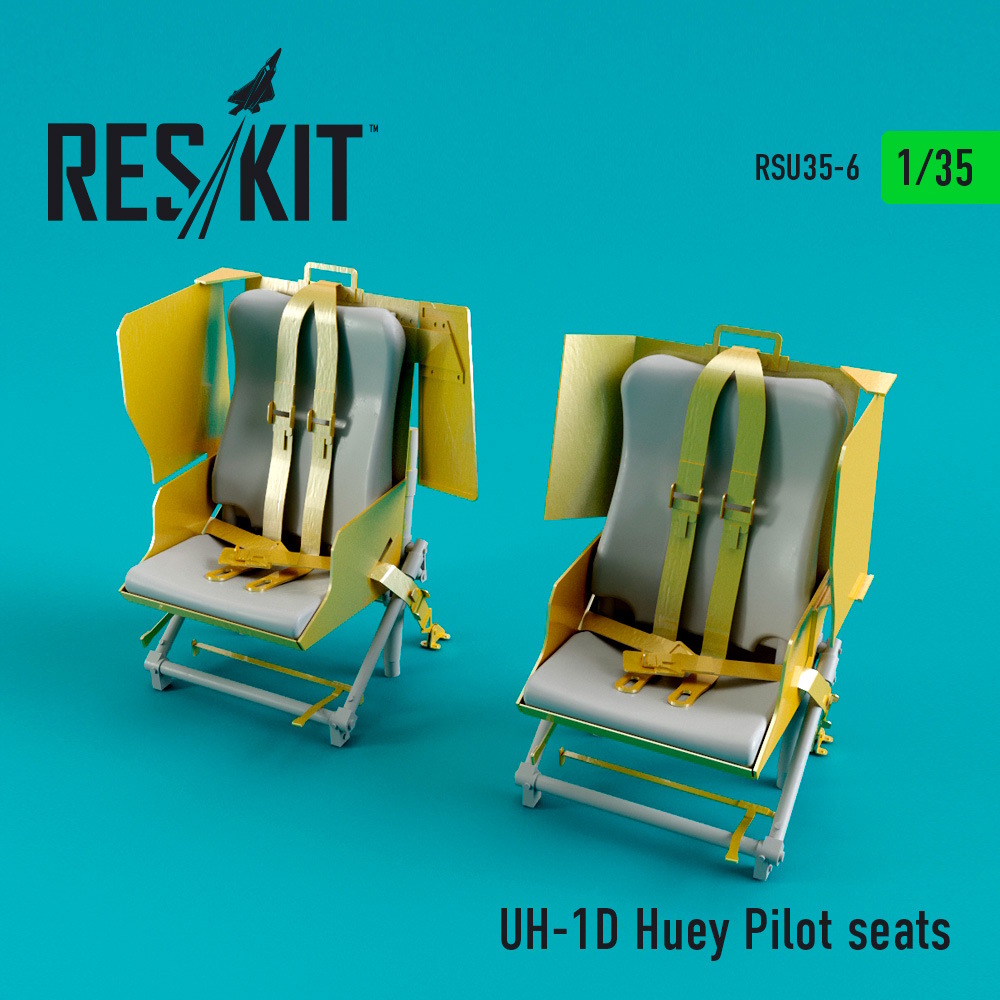
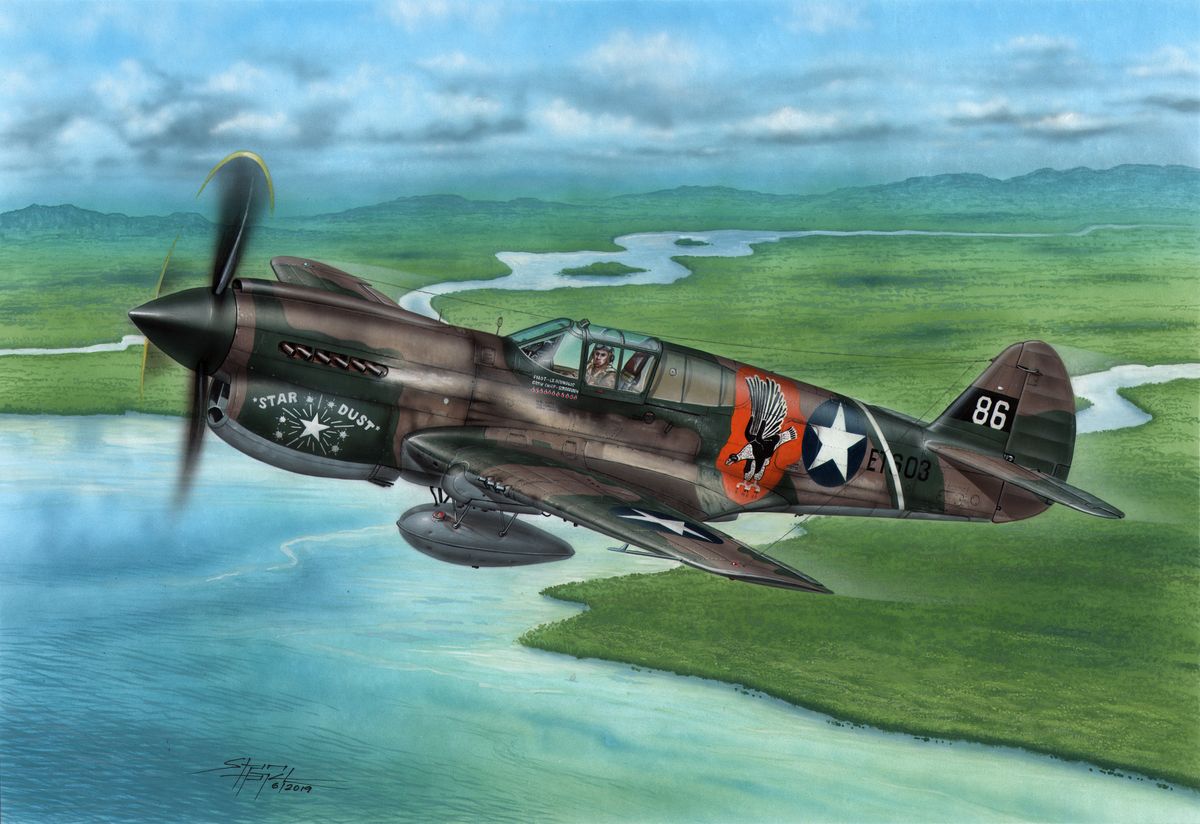
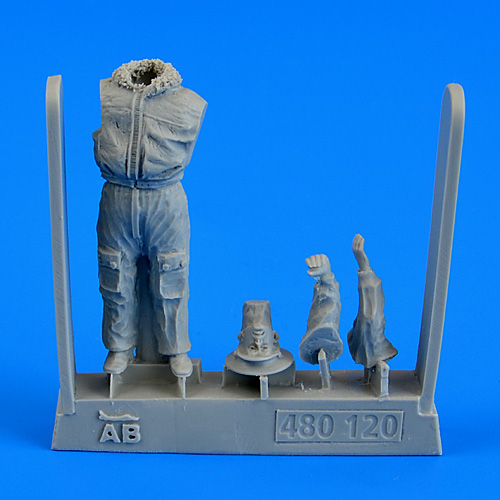
Plastikový model letadla 1/7 2P-40E Warhawk 'Claws and Teeth' . The very icon of US WW2 aviation, the Warhawk model E. The kit contains – two grey styrene sprues, one sprue of clear plastic, full colour instruction booklet and decal sheet with markings for four really eye-catching liveries. Higly accurate and nicely detailed model, the best of Warhawks in this scale Easy assembly Incredible price Decals printed by Cartograf cater for two machines as flown from China-based airfields and another two operated from Australia, all of them wearing highly interesting markings and colours, with remarkable operation history and flown by USAAF ace pilots. Three of the hand picked machines wear viciously-looking shark jaws, the fourth one (depicted on the kit’s box) was adorned with a large bird of prey on its rear fuselage and distinctive motifs on either side of its nose Wide range of CMK accessories available, including pilot/mechanic figures. Country of origin: USA / WWII
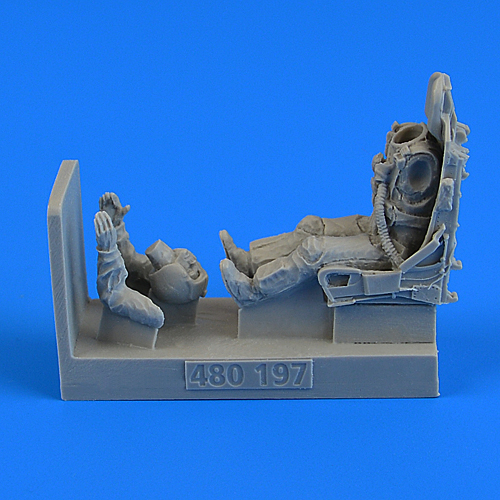
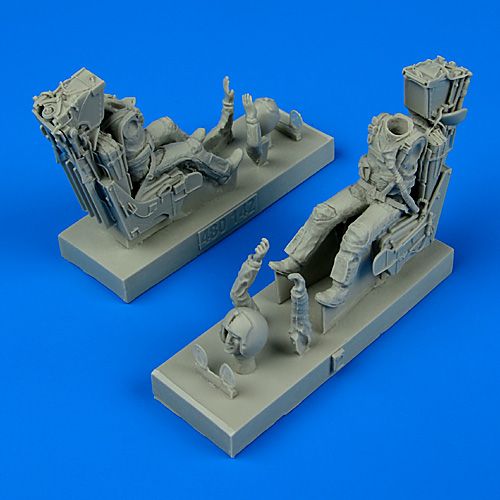
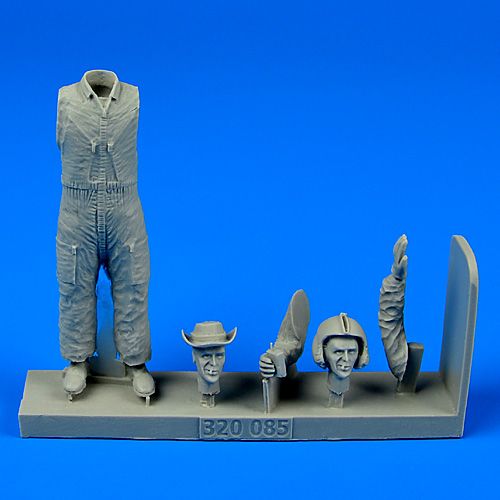

1/72 KDA-2 type 88-1 scout. The Beriev Be-8 (USAF/DoD reporting name “Type 33”, NATO reporting name “Mole”), was built by the Soviet Beriev OKB in 1947. It was a passenger/liaison amphibian aircraft with a layout similar to the Be-4 but substantially larger and heavier. It was a single engine parasol with the wing installed on a thin pylon and a pair of short struts. Compared to the Be-4, the Be-8 was equipped with retractable landing gear, and pilot and passenger cabins had heating utilizing engine heat. The Be-8 was intended as a civil aircraft and carried no armament. First flight was on December 3, demonstrating good performance. Two experimental aircraft were built, and one was demonstrated during 1951 Soviet Aviation Day at Tushino.One of Be-8 was equipped with hydrofoils, developed at TsAGI. These “Underwater Wings” were installed on landing gear struts and pushed aircraft above the water well before it could be done by the wing lift force. As a result, takeoff was much easier and imposed less punishment on the hull from the waves. Despite very effective during takeoff hydrofoils had negative impact on flight speed. Construction of retractable hydrofoils was not ready, and the concept did not find practical applications.

1/72 KDA-2 type 88-2 scout. The Beriev Be-8 (USAF/DoD reporting name “Type 33”, NATO reporting name “Mole”), was built by the Soviet Beriev OKB in 1947. It was a passenger/liaison amphibian aircraft with a layout similar to the Be-4 but substantially larger and heavier. It was a single engine parasol with the wing installed on a thin pylon and a pair of short struts. Compared to the Be-4, the Be-8 was equipped with retractable landing gear, and pilot and passenger cabins had heating utilizing engine heat. The Be-8 was intended as a civil aircraft and carried no armament. First flight was on December 3, demonstrating good performance. Two experimental aircraft were built, and one was demonstrated during 1951 Soviet Aviation Day at Tushino.One of Be-8 was equipped with hydrofoils, developed at TsAGI. These “Underwater Wings” were installed on landing gear struts and pushed aircraft above the water well before it could be done by the wing lift force. As a result, takeoff was much easier and imposed less punishment on the hull from the waves. Despite very effective during takeoff hydrofoils had negative impact on flight speed. Construction of retractable hydrofoils was not ready, and the concept did not find practical applications.

1/72 KDA-2 type 88 light bomber. The Beriev Be-8 (USAF/DoD reporting name “Type 33”, NATO reporting name “Mole”), was built by the Soviet Beriev OKB in 1947. It was a passenger/liaison amphibian aircraft with a layout similar to the Be-4 but substantially larger and heavier. It was a single engine parasol with the wing installed on a thin pylon and a pair of short struts. Compared to the Be-4, the Be-8 was equipped with retractable landing gear, and pilot and passenger cabins had heating utilizing engine heat. The Be-8 was intended as a civil aircraft and carried no armament. First flight was on December 3, demonstrating good performance. Two experimental aircraft were built, and one was demonstrated during 1951 Soviet Aviation Day at Tushino.One of Be-8 was equipped with hydrofoils, developed at TsAGI. These “Underwater Wings” were installed on landing gear struts and pushed aircraft above the water well before it could be done by the wing lift force. As a result, takeoff was much easier and imposed less punishment on the hull from the waves. Despite very effective during takeoff hydrofoils had negative impact on flight speed. Construction of retractable hydrofoils was not ready, and the concept did not find practical applications.
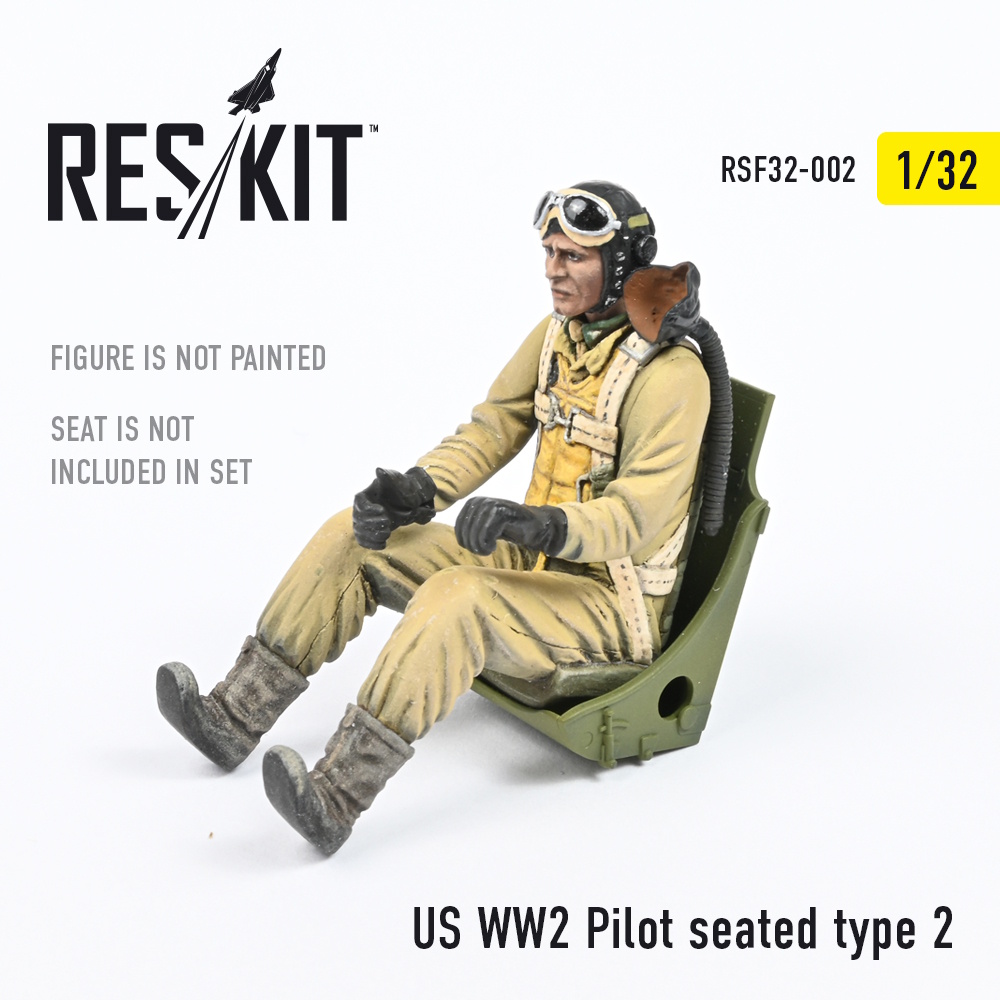
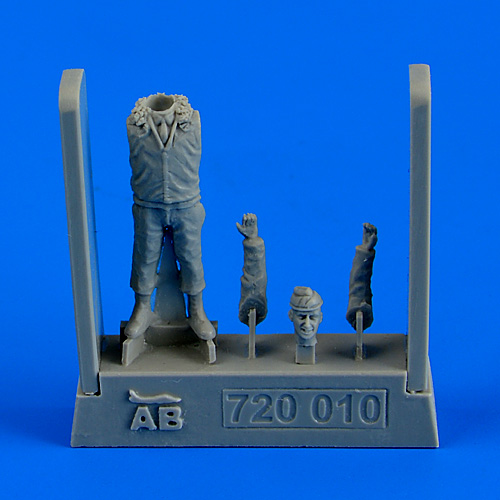
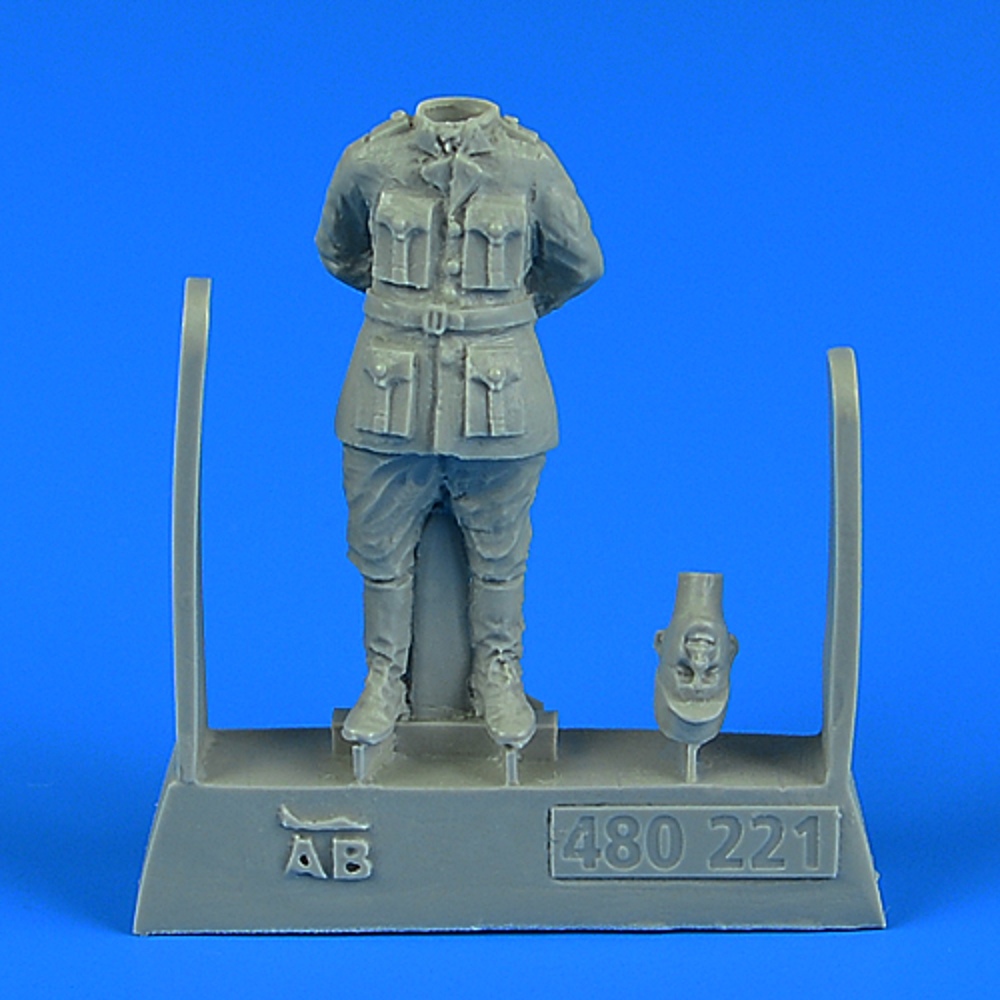
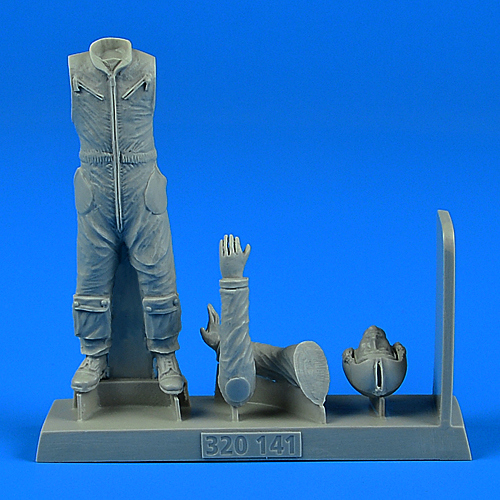
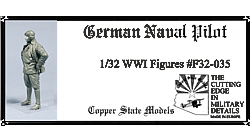
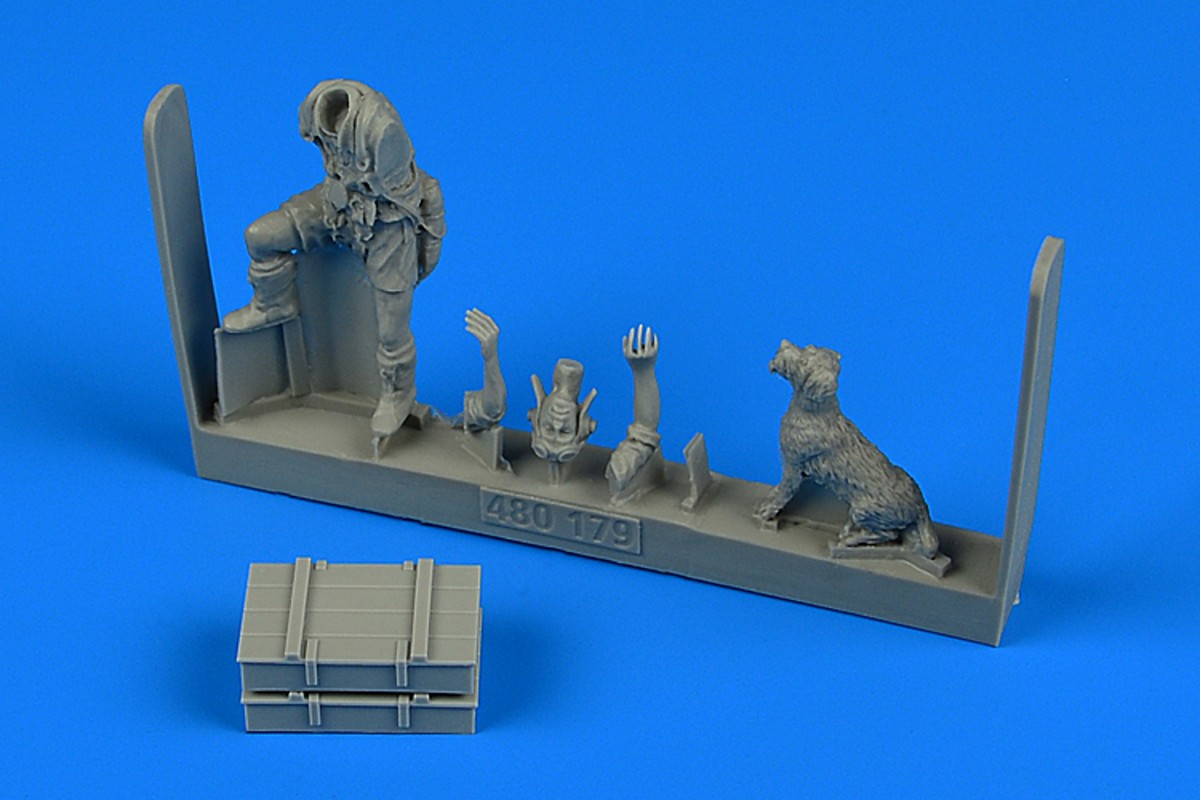
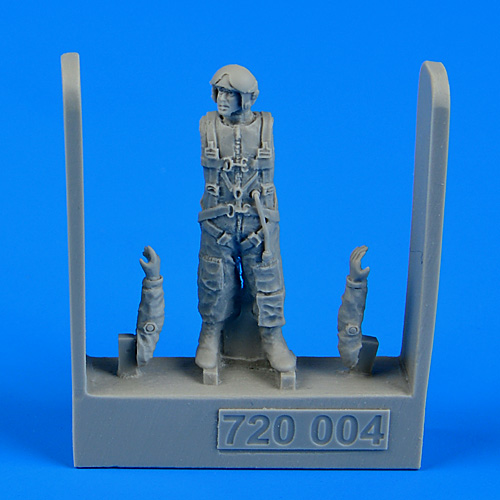
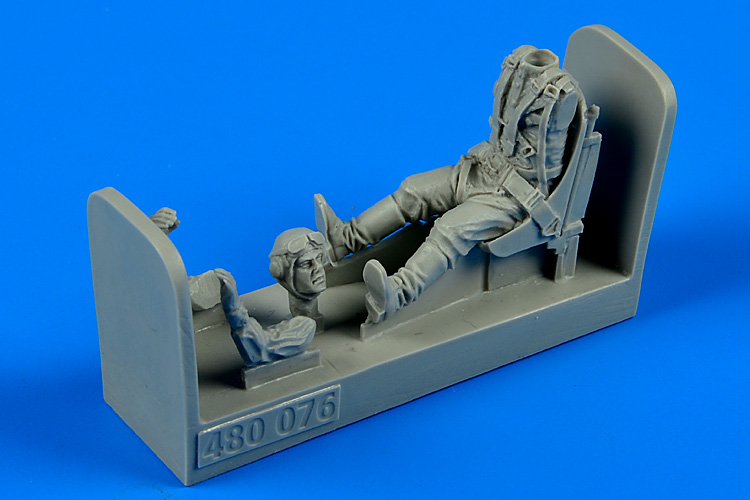
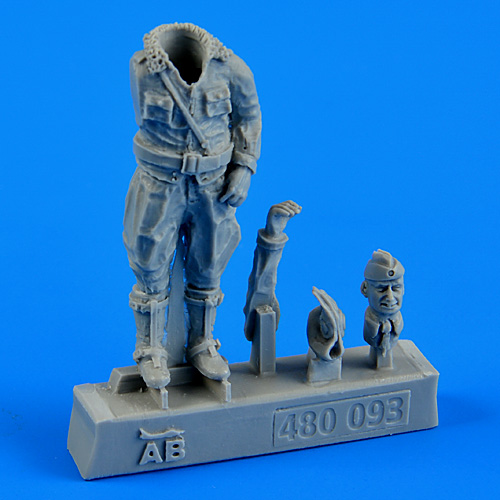

1/48 Curtiss Kittyhawk Mk.I Pacific battlefield RAAF part I. 1/48 Curtiss Kittyhawk Mk.I Pacific battlefield part I. RAAF - Royal Australian Air Force 1942-1944. (US:Curtiss P-40E). Obsahuje 4 markingy. - Curtiss Kittyhawk Mk.I, A29-382, SV-R, No. 76 Squadron, Momote, RAAF - Royal Australian Air Force, pilot by S.Ldr Leigh Bowes. - Curtiss Kittyhawk Mk.I, A29-78, IR, No. 76 Squadron, Fall River Gurney Airfield, RAAF - Royal Australian Air Force, August 1942. - Curtiss Kittyhawk Mk.I, A29-114, No. 75 Squadron, Port Moresby,New Guinea, RAAF - Royal Australian Air Force, January 1943. - Curtiss Kittyhawk Mk.I, A29-377, No. 76 Squadron, Port Moresby,New Guinea, RAAF - Royal Australian Air Force, 1943-1944.

1/48 Curtiss Mohawk IV over Egypt and Burma 1941-1943. 1/48 Curtiss Mohawk Mk.IV over Egypt and Burma. South Africa Air Force nad východní Afrikou a Australian RAAF nad Burmou, 1941-1943. Obsahuje 4 markingy. - Curtiss Mohawk IV, no. 2537, No. 3 Squadron A-Flight, Alomata airfield, East African campaign, SAAF - South African Air Force 1941. - Curtiss Mohawk IV, no. 2524, No. 3 Squadron, Alomata airfield, East African campaign, SAAF - South African Air Force 1941. - Curtiss Mohawk IV, no. BS 736, No. 155 Squadron RAF, Imphal, Burma 1943. - Curtiss Mohawk IV , no BS 734, No. 155 Squadron RAF, Imphal , Burma 1943, pilot F/O Tim Mayers.

1/72 Curtiss Mohawk IV over Egypt and Burma 1941-1943. 1/72 Curtiss Mohawk Mk.IV over Egypt and Burma. South Africa Air Force nad východní Afrikou a Australian RAAF nad Burmou, 1941-1943. Obsahuje 4 markingy. - Curtiss Mohawk IV, no. 2537, No. 3 Squadron A-Flight, Alomata airfield, East African campaign, SAAF - South African Air Force 1941. - Curtiss Mohawk IV, no. 2524, No. 3 Squadron, Alomata airfield, East African campaign, SAAF - South African Air Force 1941. - Curtiss Mohawk IV, no. BS 736, No. 155 Squadron RAF, Imphal, Burma 1943. - Curtiss Mohawk IV , no BS 734, No. 155 Squadron RAF, Imphal , Burma 1943, pilot F/O Tim Mayers.

1/72 Curtiss Kittyhawk MK.I Pacific battlefield RAAF 1942-1944 part I. 1/72 Curtiss P-40 Kittyhawk Pacific battlefield RAAF part I. Australian Royal Air Force 1942-1944. Obsahuje 4 markingy. - Curtiss P-40E Kittyhawk, A29-382, SV-R, 76. Squadron, Momote, Royal Australian Air Force, pilot by S.Ldr Leigh Bowes - Curtiss P-40E Kittyhawk, A29-78, IR, 76. Squadron, Fall River Gurney Airfield, Royal Australian Air Force, August 1942 - Curtiss P-40E Kittyhawk, A29-114, 75. Squadron, Port Moresby, New Guinea, Royal Australian Air Force, January 1943 - Curtiss P-40E Kittyhawk, A29-377, 76. Squadron, Port Moresby, New Guinea, Royal Australian Air Force, 1943-1944